Many of us have experienced the frustration of wrestling with an upright vacuum cleaner that feels unusually hard to push. Not only does this make cleaning tiring, but it can also reduce how effectively your vacuum performs.
Why does my upright vacuum cleaner feel heavy and difficult to move across carpet?An upright vacuum usually becomes hard to push when suction is too strong for the floor type. This commonly happens if the height setting is too low, the brush roll is clogged with hair or debris, or the brush belt is worn and not spinning correctly. Regular maintenance and correct height adjustment can significantly improve maneuverability
In this article, we’ll explain why upright vacuum cleaners become difficult to maneuver, what you can do to fix the problem yourself, and when it might be time to consider an alternative.
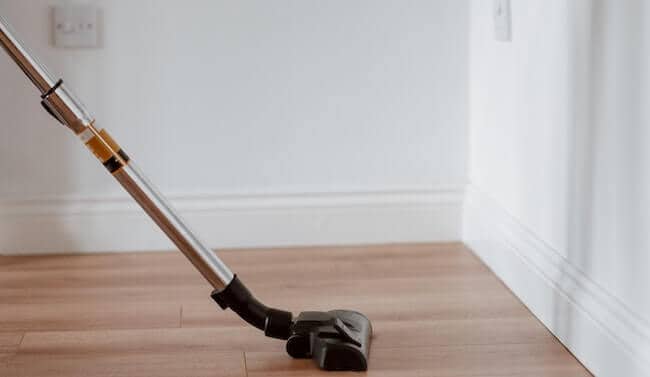
Why Is It So Hard to Push an Upright Vacuum Cleaner?
When a vacuum becomes hard to push or pull, it usually means something is interfering with airflow, suction balance, or brush movement. Fortunately, most of these issues are easy to identify and fix without professional help.
1. Incorrect Height Settings
Most upright vacuum cleaners come with adjustable height settings designed for different floor types. If the height is set too low for your carpet, the vacuum will create excessive suction, making it feel heavy and difficult to move.
What to do:- Locate the height adjustment knob (usually near the base)
- Start with the highest setting and gradually lower it
- Use lower settings for hard floors and thin rugs
- Use higher settings for plush or thick carpets
Finding the right height can dramatically improve maneuverability and cleaning performance.
2. The Brush Roll Is Clogged
A clogged brush roll is one of the most common causes of poor movement. Hair, thread, pet fur, and debris can wrap around the brush, preventing it from spinning freely.
Signs of a clogged brush:- Stuttering or grinding sounds
- Vacuum doesn’t glide smoothly
- Reduced dirt pickup
- Turn off and unplug the vacuum
- Flip it over and inspect the brush
- Cut away hair and debris using scissors
- Use compressed air to blow out fine dust
- Wipe grime with a mix of 1 cup water and ¼ cup vinegar
Regular brush cleaning prevents strain on the motor and significantly improves ease of use.
If you also notice unpleasant odors while cleaning, this is often a sign of built-up debris, and learning how to clean a vacuum cleaner that smells can help restore both performance and freshness.
3. A Broken or Worn Brush Belt
If the brush roll is clean but still not spinning, the problem may be the belt. Over time, belts can stretch, slip, or snap, preventing proper brush rotation.
How to check:- Turn the vacuum on and gently tilt it back
- Look to see if the brush is spinning
- If the brush is not moving, the belt likely needs replacement
Most vacuum belts should be replaced every 12–24 months, depending on usage and vacuum quality. Always purchase the correct belt size for your specific model—belts that are too small or too loose will not function properly.
Best Alternatives If Your Vacuum Is Still Hard to Push
If pushing a traditional upright vacuum is physically challenging, especially for seniors or those with arthritis, consider these options.
1. Robot Vacuum Cleaners
Robot vacuums handle cleaning automatically, significantly reducing physical effort. They are especially useful for maintaining cleanliness without the need to push or lift a traditional vacuum.
- Popular option: iRobot Roomba
- Ideal for: Maintenance cleaning
- Average price: ~$300
- Best for: Hard floors and low-pile carpets
2. Easy-to-Maneuver Upright Vacuums
Some upright vacuums are specifically engineered to be easier to push and steer than traditional models, making them a good option if standard uprights feel heavy or hard to control.
- Example: Dyson Ball Vacuum
- Design feature: Uses a rotating ball instead of fixed wheels
- Excellent for: Tight spaces and corners
- Price range: $500+
Tips to Make Your Vacuum Easier to Push
Use the Right Vacuum for Your Floor Type
Using a vacuum that doesn’t match your flooring can significantly increase resistance. Plush carpets require higher-clearance vacuums, while hard floors perform best with models that don’t rely on aggressive beater brushes. If you have pets, trapped hair and dander can also cause lingering odors, so knowing how to get rid of dog smell in a vacuum cleaner can improve both maneuverability and overall cleaning comfort. Always check vacuum specifications before purchasing.
Check the Bag, Bin, and Filters Before Cleaning
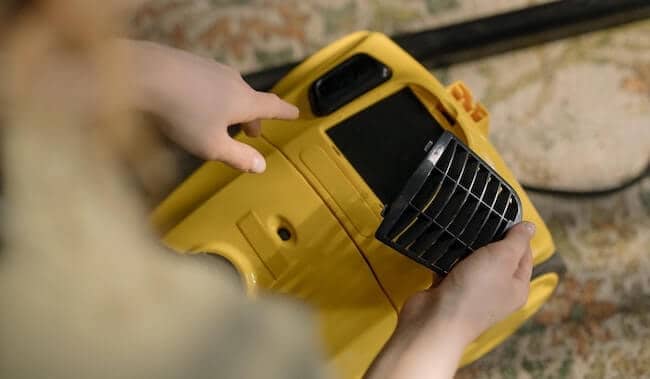
A full dust bag or bin restricts airflow, causing uneven suction and making the vacuum feel heavy or stuck to the floor. Empty bags and bins regularly, clean filters every three months (or as recommended by the manufacturer), and replace worn filters when needed.
For cordless models, reduced power can also be linked to battery limitations, so understanding vacuum cleaner battery run time can help explain sudden drops in brush performance and increased drag.
Clear the Floor Before Vacuuming
Small objects like toys, hair clips, or coins can get caught in the brush roll or airflow path, increasing friction and resistance. Clearing the floor first helps prevent clogs and allows the vacuum to glide smoothly across surfaces.
Use the Crevice Tool Instead of Forcing the Vacuum
Trying to push the main vacuum head into corners, edges, or along walls increases physical strain and can damage the vacuum. Using the crevice tool for tight areas reduces resistance and makes cleaning easier and more controlled.
Vacuum Slowly and Methodically
Moving too quickly can increase drag, especially on thick carpets, making the vacuum feel heavier. Slow, steady passes in straight lines reduce resistance and allow the brush roll to work efficiently. For best results, vacuum in both directions and go over high-traffic areas multiple times.
Final Thoughts
What makes these problems frustrating is that they don’t look like failures. The vacuum still turns on, still makes noise, and still picks up dirt, so the user compensates by pushing harder, often putting unnecessary strain on both the machine and their body. Over time, that extra effort becomes routine, masking the real issue and accelerating wear on belts, brushes, and motors.
A vacuum that suddenly feels heavy isn’t asking for more force—it’s signaling that something in the system is out of balance. Recognizing that resistance as a warning rather than a challenge is the key to fixing the problem early, preserving performance, and avoiding a vacuum that feels harder to use with every pass.