Tell me guys, what would you rather see in your home – a snake or a bed bug? A snake, of course, am I right!? God knows it’s way more dangerous, but at least it’s not as nasty and gross as bed bugs.
And, God damn it, how do I hate these little bloodsuckers! So, I know you’ve tried all sorts of tricks and hacks to kill bed bugs, including the use of pesticides or vacuuming bed bugs. So, in the latter case, tell me this.
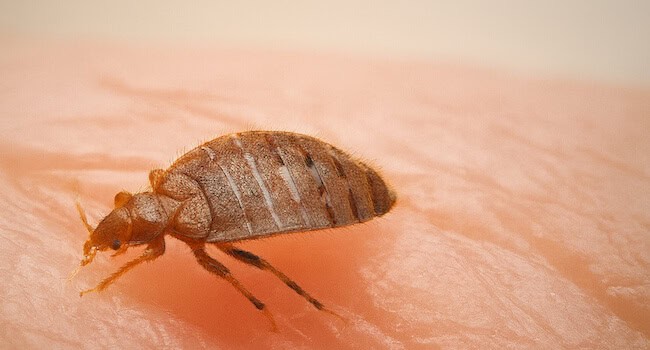
Have you ever found a living bed bug in your vacuum cleaner after you’ve done vacuuming your bed mattress? If yes, great, you’re exactly where you need to be.
Keep reading!
Can a vacuum cleaner effectively remove bed bugs?Vacuum cleaners can remove visible bed bugs on surfaces like mattresses, box springs, bed frames, and carpets. It may also remove some eggs, but not all, since they are sticky and firmly attached. Because many bed bugs hide deep in cracks and seams where a vacuum cannot reach, vacuuming alone cannot eliminate an infestation, it only helps reduce the number of bugs.
In the rest of this article, I’ll explain why these pests can survive vacuuming and share practical tips for eliminating the infestation.
But, first…
What You Need to Know About Bed Bugs
Bed bugs are small, blood-feeding insects that commonly hide in mattresses, furniture, and cracks in wood or fabric surfaces. They belong to the arthropod phylum, the same broad group that includes insects, spiders, and crustaceans.
They do not require dirty or mouldy environments; bed bugs can live in clean or cluttered places as long as a blood host is available. They spread easily by hitchhiking on clothing, luggage, furniture, and personal items.
Bed bugs avoid open spaces and prefer tight, protected areas. Once indoors, they can multiply quickly, and their bites may cause itching or skin irritation in some people. Infestations can develop before residents notice them because the insects are small, nocturnal, and excellent at hiding.
How to Get Rid of Bed Bugs?
Preventing bed bugs isn’t really about hygiene, they don’t care if your home is spotless or messy. They spread mainly by hitchhiking on luggage, used furniture, clothing, and personal items. So even if you shower twice a day, they can still show up.
Once they’re inside, the most effective solution is professional heat or insecticide treatment. These reach the temperatures and hidden spaces necessary to fully eliminate an infestation. If you’re dealing with bed bugs right now, calling a licensed pest control service is the safest bet.
That said, there are a few DIY steps you can take to reduce their numbers while you arrange proper treatment. Vacuuming is one of the most practical tools you already have at home. Use a strong vacuum with a crevice tool so you can reach seams, cracks, and edges where bed bugs tend to hide. Vacuuming won’t eliminate the infestation, but it helps remove live bugs and some eggs.
Bed bugs are vulnerable to high heat, so washable items can go through a hot dryer cycle to kill them. Steamers can also help on furniture and mattresses, as long as the steam reaches the right temperature.
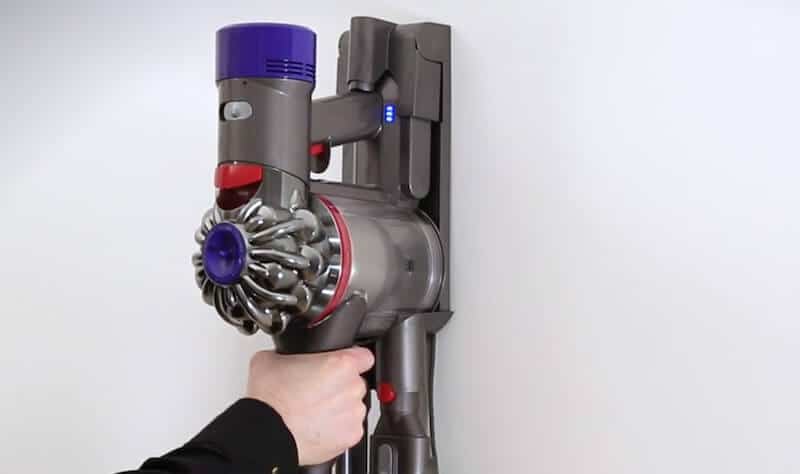
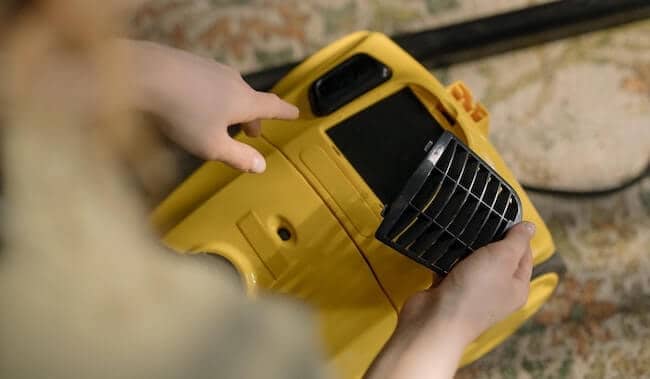
When it comes to choosing a vacuum, there’s no special model made for bed bugs. Any standard vacuum will work; the difference is simply how you empty it afterward. Bagged vacuums are easier to manage, you just remove the bag, seal it in a plastic bag, and throw it away outside. Bagless vacuums work too, but you need to empty the canister into a sealed plastic bag outdoors and follow these proper steps for cleaning a vacuum after bed bugs, which means thoroughly washing the entire vacuum, including the canister, pipes, attachments, and any other removable parts with hot, soapy water to prevent escape or reinfestation.
Quick answer to cleaning your vacuum
For bagged vacuums, remove the bag, seal it in a plastic bag, and discard it immediately. For bagless vacuums, empty the canister into a sealed plastic bag, dispose of it outdoors, and then wash the canister with hot soapy water. Cleaning the crevice tool is also recommended. Avoid spraying pesticides inside the vacuum, as it can damage the machine and is generally not necessary.
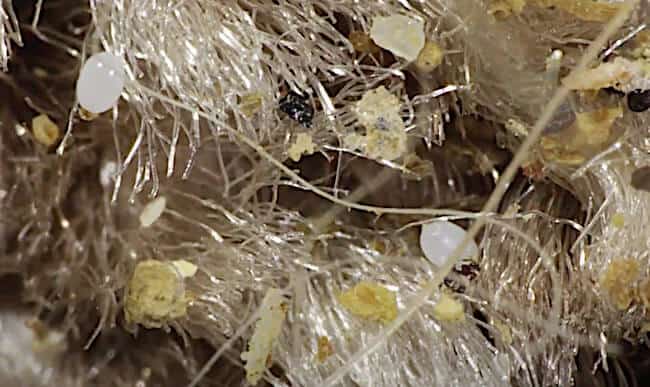
The key is making sure nothing you’ve collected can crawl back out. Whether your vacuum has a disposable bag or a canister, seal everything immediately and clean the parts carefully. That’s how you keep your vacuum from becoming part of the problem.
But…
Does Vacuuming Actually Kill Bed Bugs?
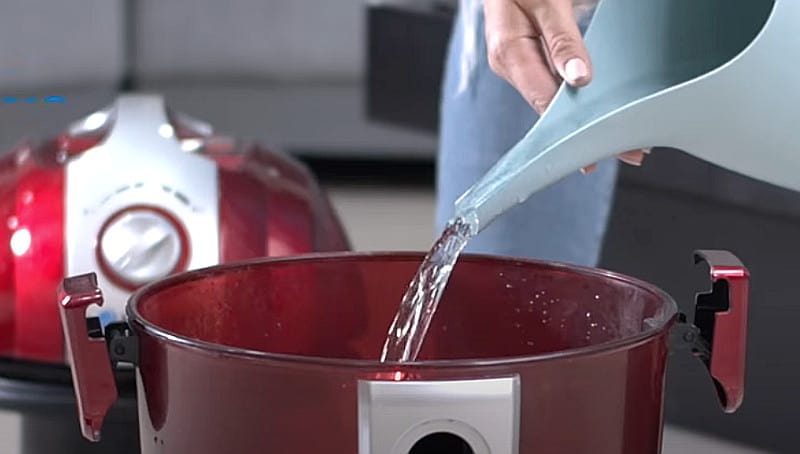
Vacuuming does not kill bed bugs. Whether you use a regular vacuum or a water-filter vacuum cleaner, the bugs you collect will almost always still be alive. Suction doesn’t injure them, and brief exposure to water in a filtration chamber isn’t enough to kill them.
Vacuuming is helpful for removing visible bugs, but it won’t eliminate an infestation. Bed bugs are only reliably killed by sustained high heat, professional insecticides, or direct physical crushing.
Final Thoughts
Vacuuming is a useful tool for dealing with bed bugs, but only as a supporting step. It helps remove the bugs you can reach, yet it doesn’t kill them or stop the ones still hiding in cracks, seams, and tight spaces. That’s why your vacuum should be part of a bigger plan and not the plan itself.
After vacuuming, the next step is proper treatment: heat, steam, professional insecticides, or a combination of these. This is what actually eliminates the infestation… And remember, once the infestation is gone, you’ll still need to clear out the leftover debris, which is where your vacuum comes back into play to finish the job.
References
https://www.epa.gov/bedbugs/pesticides-control-bed-bugs
https://citybugs.tamu.edu/factsheets/biting-stinging/others/ent-3012/