Have you noticed an unpleasant odor coming from your vacuum cleaner? A smelly vacuum can make cleaning feel pointless, and even spread bad smells throughout your home instead of removing them.
The good news? Most vacuum odors are easy to fix with regular maintenance and a few simple cleaning steps. In this guide, you’ll learn why vacuum cleaners smell, how to eliminate bad odors, and how to keep your machine fresh long-term.
What parts of a vacuum hold onto smells the longest?Filters, hoses, and brush rolls tend to retain odors because they trap fine dust and organic material. These areas are often overlooked, even though they play a major role in how a vacuum smells.
Why You Need to Clean Your Vacuum Cleaner
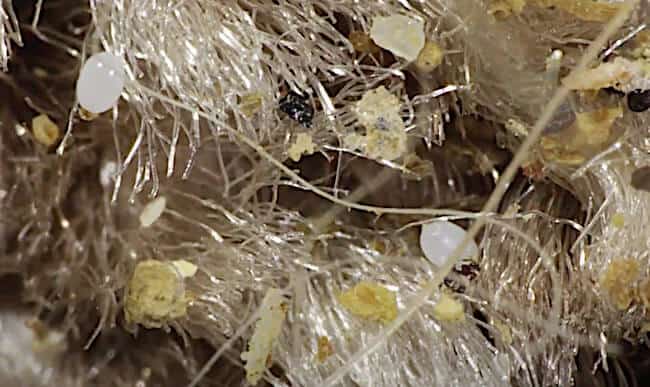
Vacuum cleaners require routine maintenance every three to six months to prevent dirt buildup, bacteria growth, and unpleasant odors. Filters, hoses, and brushes trap debris over time, and without proper care, that debris begins to rot or grow mold.
Regular cleaning not only keeps your vacuum smelling fresh, it also:
- Improves suction power
- Extends the lifespan of the machine
- Keeps indoor air cleaner
Why Does Your Vacuum Cleaner Smell Bad?
Understanding the cause of the odor makes it much easier to fix. These are the most common reasons:
1. Pet Hair and Dander
Pet hair, dander, and even traces of urine can cling to dust and fabric fibers. When vacuumed, these particles become trapped inside the machine.
Over time, especially in warm or humid environments, this buildup begins to produce unpleasant odors that are released whenever the vacuum is turned on.
If the smell is specifically “doggy” (wet-dog odor, dander, or pet bedding smells), follow this guide on how to get rid of dog smell in a vacuum cleaner for more targeted steps.
2. Mold Growth
Vacuuming damp carpets, wet debris, or moisture-prone areas can introduce water into the bag, bin, or filter.
Mold thrives in these conditions and produces a strong, musty odor. This is especially common if the vacuum is stored before it has fully dried.
3. Burning Belt Smell
Hair, string, or debris wrapped around the brush roll can prevent it from spinning freely.
When this happens, the rubber belt may slip or overheat, producing a distinct burning rubber smell. Worn or stretched belts can cause this issue as well.
4. Excess Dust and Debris
Food crumbs, coffee grounds, and fine dust often end up inside vacuum bags and bins along with regular debris.
If not emptied regularly, this buildup can decompose over time and create strong odors that linger inside the vacuum.
Does the Type of Vacuum Matter?
Yes. Bagged vacuums tend to trap odors better because debris is sealed inside disposable bags. When the bag is replaced, most smells disappear instantly.
Bagless vacuums are more convenient but require more frequent cleaning since debris remains exposed in the dust bin. With proper care, however, both types can remain odor-free.
How to Get Rid of Bad Vacuum Cleaner Smells
This entire process takes about 30 minutes, plus drying time.
1. Empty and Clean the Dust Bag or Bin
- Replace disposable bags immediately
- For bagless vacuums, empty the bin into the trash
- Wash the bin with cool water and dish soap
- Add ⅓ cup of white vinegar or baking soda to kill bacteria and mildew
- Clean all corners thoroughly and allow it to air dry completely
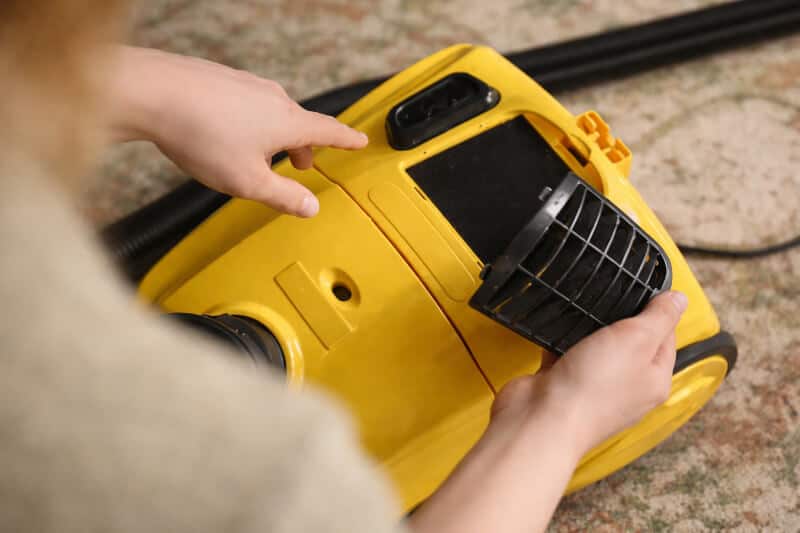
2. Clean or Replace the Filter
- Remove the filter and tap out loose dust
- If washable, rinse under cold water until the water runs clear
- Allow 24 hours to air dry before reinstalling
- Replace non-washable filters every 12 months, or every 6 months if you have pets
3. Clean the Brush Roll
- Unplug the vacuum
- Remove the brush roll if possible
- Cut away hair and debris using scissors (avoid cutting bristles)
- Wash with soap and water or spray with a vinegar solution
- Let it dry fully before reinstalling
Brushes should be cleaned once or twice a year, or more often for carpeted homes.
4. Wash the Hose
- Detach the hose and lay it flat
- Push out clogs using a broomstick or similar object
- Fill a sink with hot water, dish soap, and either vinegar or baking soda
- Submerge the hose and swirl to clean the interior
- Rinse thoroughly and hang to dry for 24–48 hours
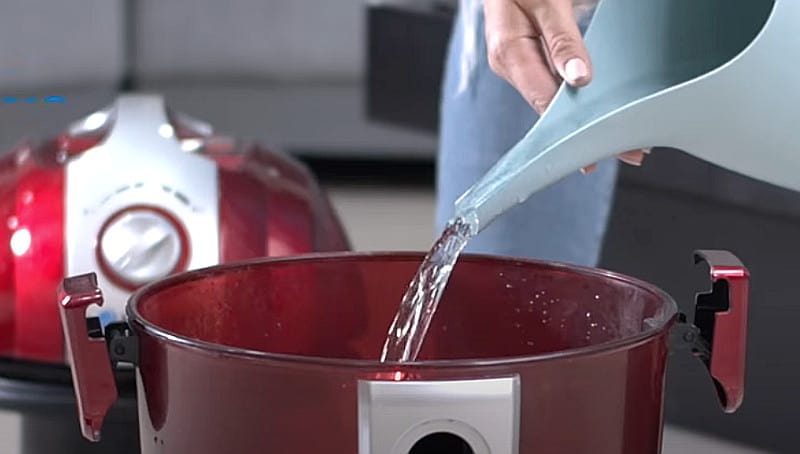
If vacuum odors keep coming back even with regular maintenance, you may want to consider water filtration vacuum cleaners, which trap dirt and odor particles in water instead of letting them linger in bags or filters.
How to Make Your Vacuum Smell Fresh Again
Always check your manufacturer’s guidelines before using deodorizing methods.
Baking Soda
Sprinkle 2 tablespoons into the dust bag or lightly coat the dust bin. Baking soda absorbs odors naturally.
Essential Oils
- 30 drops of essential oil (lemongrass or thyme)
- 1 teaspoon baking soda
- Water in a 32-oz spray bottle
Lightly mist the inside of the bin or bag area, do not oversaturate.
Cinnamon Powder
Add ½ teaspoon of cinnamon to the bag or bin. Cinnamon is antimicrobial and leaves a warm, pleasant scent.
Commercial Vacuum Deodorizers
These scented pellets or tablets are effective and easy to use. One dose per bag or bin is usually sufficient.
Regular Maintenance Tips
- Empty the bag or bin after every few uses
- Clean filters every 3–6 months
- Inspect brushes and hoses twice a year
- Never vacuum wet debris unless designed for it
Homes with pets may require more frequent cleaning.
Final Thoughts
A vacuum that smells bad isn’t failing, it’s communicating. Odors are usually the first sign that dirt, moisture, or debris has been quietly building up inside the machine, not that it’s reached the end of its life.
The good news is that most vacuum smells are completely reversible. A little attention to filters, brushes, and hoses can restore both performance and freshness, often in less time than it takes to shop for a replacement. Once you build these simple habits into your routine, your vacuum will work more efficiently and your home will smell noticeably cleaner after every use.
That said, situations involving pests require a more cautious approach. If your vacuum has been used during a bed bug infestation, follow a step-by-step guide on how to clean your vacuum after bed bugs to ensure it’s safe to use again.