
Bed bugs are uniquely disruptive because they target the place people expect to be safest: the bed itself. Memory foam mattresses often get treated as if their construction offers some built-in protection, which leads many people to overlook early signs of activity. But the real issue isn’t the foam core, it’s the mattress’s surrounding materials and how bed bugs use them. That’s why the question of memory-foam susceptibility comes up so often and why it’s important to clarify how these pests actually interact with this type of mattress.
Can bed bugs actually live inside a memory foam mattress?
Yes! While they can’t burrow deep into the dense foam core, they easily infest the outer layers, seams, stitching, and fabric covers, turning any small crease into a perfect hiding spot. Which is why keeping your mattress clean, inspecting it regularly, and using a proper encasement becomes such an important line of defense against a potential infestation.
In this article we will discuss how bed bugs interact with memory foam mattresses, how to identify early signs of activity, which materials offer different levels of resistance, and the most effective prevention and treatment methods.
Can Bed Bugs Live in Memory Foam Mattresses?
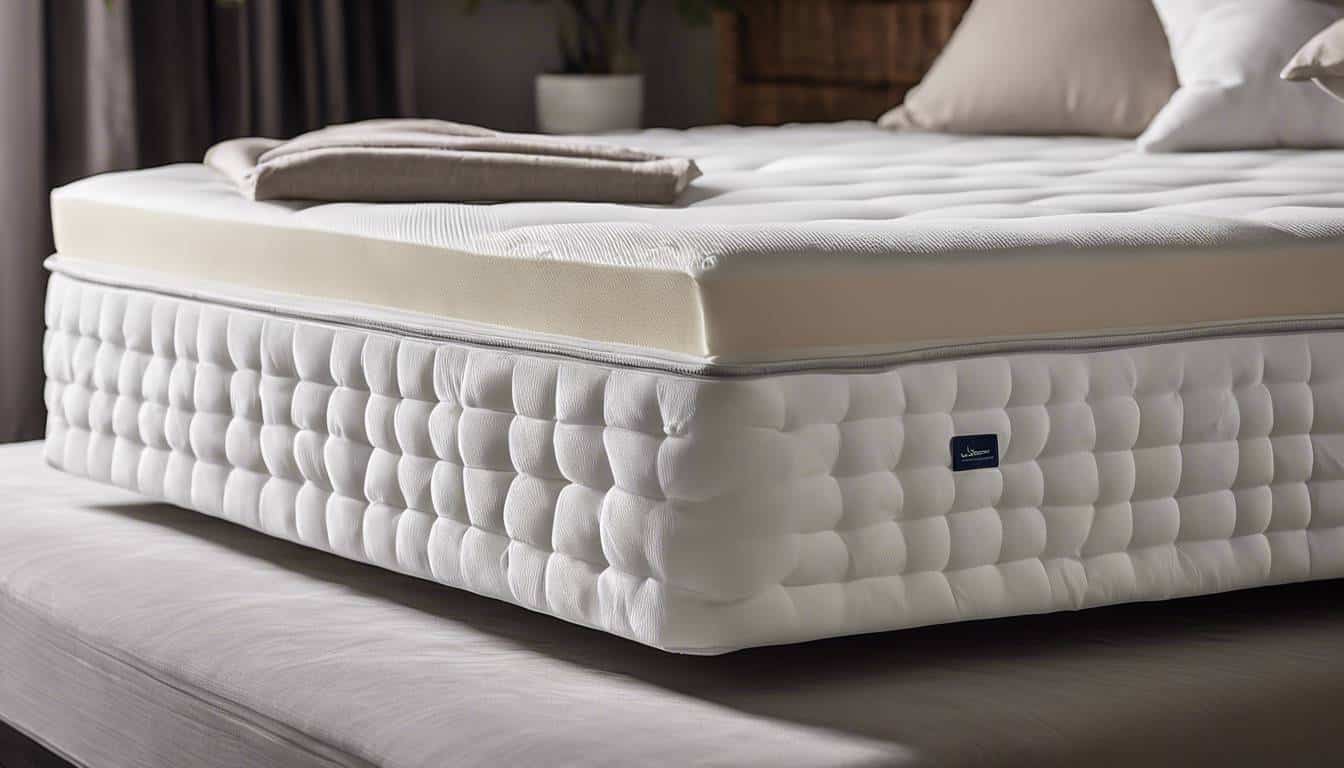
Bed bugs, including Cimex lectularius, can use the outer components of a memory foam mattress as harborage points even though the foam core itself is too dense for movement or burrowing. The areas that remain vulnerable are the seams, stitching, zipper tracks, piping, and fabric covers that surround the foam. These accessible locations allow bed bugs to remain hidden, reproduce, and feed without needing to enter the foam structure.
This behavior is important when choosing the right mattress, since the risk comes from the mattress design rather than the foam material. Any mattress with fabric interfaces or edge stitching provides potential hiding places. Memory foam does not remove this risk. It only changes where the insects establish themselves.
Inspection relies on locating external evidence. Look for fecal spotting, shed skins, live insects, or eggs along the seams and under the mattress. Many infestations are not obvious at first. Some people only notice the problem when they wake up with baffling bites without visible evidence of infestation. A flashlight and a thin tool such as a credit card help lift fabric edges and expose concealed harborage sites.
Mattress encasements certified for bed bug protection are one of the most effective preventive steps because they remove access to these seams and cover the outer surface with a barrier that limits hiding locations. Regular inspection and caution with second-hand furniture or travel exposure further reduce the likelihood of introducing bed bugs into the sleeping environment.
Memory Foam Properties and Bed Bug Infestation
Memory foam is a viscoelastic material with a dense internal structure that limits airflow and creates a solid foam core. This density prevents bed bugs from moving through the interior of the mattress, but it does not eliminate external harborage points. Bed bugs use accessible areas such as seams, edge stitching, zipper tracks, and fabric covers to hide, feed, and reproduce. Understanding these surface vulnerabilities is part of knowing how to remove stains and maintain your mattress, since proper maintenance helps prevent unnoticed activity.
Unlike coil or hybrid designs, which contain open cavities inside the mattress, memory foam concentrates most potential hiding locations on the outer components. These external interfaces are where bed bugs establish themselves. Regular inspection is necessary. Look for fecal spotting, shed skins, or live insects along the seams and under the mattress. A flashlight improves visibility, and running a credit card along stitching lines helps expose concealed insects.
Early detection depends on examining these surface areas consistently because bed bugs cannot access the foam core but can remain hidden in the materials that surround it. Vigilance reduces the likelihood of a growing infestation and supports effective treatment if bed bugs are introduced.
Comparing Mattress Materials for Bed Bug Resistance
Mattress construction affects how many accessible harborage points are available to bed bugs. Bed bugs rely on seams, stitching, and fabric transitions for hiding locations, and the amount of exposed surface detail differs by material. These differences influence the overall infestation risk.
Memory Foam
Memory foam has a dense viscoelastic core that limits internal movement, but it still contains surface seams and fabric interfaces that provide hiding locations. This creates a moderate infestation risk, since the insects remain on the exterior components rather than inside the foam.
Latex
Latex mattresses have a solid, non porous structure with fewer external crevices. The limited number of seams and the uniform surface reduce available harborage points, which gives latex a higher level of resistance compared to memory foam.
Innerspring
Innerspring mattresses contain coil systems surrounded by padding and multiple fabric layers. These layered materials introduce more seams and edges, increasing external hiding locations. This makes innerspring designs more vulnerable unless protected with a certified mattress encasement.
Hybrid (Memory Foam and Innerspring)
Hybrid mattresses combine foam layers with an innerspring core. The foam components restrict interior movement, but the coil structure and additional fabric transitions increase the number of surface interfaces. This results in a moderate resistance level that depends on the specific construction.
Tips to Prevent Bed Bugs in Memory Foam Mattresses
Preventing bed bug infestations in memory foam mattresses is crucial for maintaining a clean and pest-free sleeping environment. Here are some actionable tips to keep those pesky bugs at bay.
Use Mattress Encasements
Mattress encasements act like protective armor for your mattress. They cover the entire mattress, sealing off hiding spots and preventing bed bugs from taking refuge within the fibers and seams. When selecting a mattress encasement, ensure that it’s specifically designed for bed bug protection and covers the entire mattress snugly.
The benefits of using mattress encasements extend beyond just preventing bed bugs; they also play a vital role in maintaining hygiene. A high-quality encasement not only repels bed bugs but also acts as a barrier against spills, dust mites, and allergens, prolonging the lifespan of your mattress while ensuring a healthier sleep environment.
Regular Inspection
Visual inspections play a key role in early detection of bed bugs. Make it a habit to conduct thorough visual inspections of your memory foam mattress on a regular basis. Look out for telltale signs such as rust-colored bugs, molted skins, or black fecal spots. Remember to check the seams and tufts closely, as bed bugs tend to favor these areas for hiding.
While inspecting your memory foam mattress, it’s important to have a structured approach. Use a flashlight to illuminate the seams and crevices, and employ a credit card to gently push out any hiding bugs along the stitching. Additionally, don’t overlook the bedding—inspect pillows, blankets, and sheets thoroughly to ensure comprehensive coverage.
Avoid Second-hand Mattresses
When it comes to memory foam mattresses, it’s best to steer clear of second-hand options. Purchasing second-hand mattresses may seem cost-effective but comes with an increased risk of bed bug infestations. Second-hand mattresses can harbor hidden bed bugs that are challenging to detect during the initial inspection.
It’s important to recognize that even if the exterior of the mattress appears clean, there could still be lurking pests within its layers. The potential savings from buying a used mattress pale in comparison to the cost and hassle of dealing with a full-blown bed bug infestation.
By implementing these preventive measures, you can significantly reduce the likelihood of bed bug infestations in your memory foam mattress, creating a safer and more sanitary sleeping environment for you and your family.
As we’ve seen the importance of preventive measures against bed bugs in memory foam mattresses, next we’ll explore effective strategies for exterminating these resilient pests from your sleeping sanctuary.
Exterminating Bed Bugs from Memory Foam Mattresses
Dealing with a bed bug infestation in your memory foam mattress can be daunting, but it’s essential to address the problem promptly and effectively to prevent it from spreading. Non-pesticide approaches such as heat or cold treatments are practical options for exterminating bed bugs from memory foam mattresses without resorting to chemical solutions. It’s also important to clean your vacuum after dealing with bed bugs, as these pests can potentially infest cleaning equipment.
| ♨️ Heat treatments involve exposing the mattress to temperatures above 120°F (49°C) for an extended period, effectively killing both bed bugs and their eggs. This method is a proven way to eliminate bed bugs and is often used by professionals who have the specialized equipment to ensure the temperature reaches every part of the mattress, leaving no place for the resilient pests to hide. |
| 🧊 Cold treatments involve freezing the mattress at temperatures below 0°F (-18°C) for several days. While this method is effective, it may require professional-grade equipment and monitoring to ensure all bed bugs have been eradicated. |
It’s important to be cautious when attempting heat or cold treatments on your own, as improper execution can lead to ineffective results, potentially allowing bed bugs to survive and reinfest the mattress.
Aside from non-pesticide approaches, using pesticides labeled for bed bugs is another option for exterminating these pests from memory foam mattresses. However, it’s crucial to ensure that the chosen pesticide is safe for mattresses and follows the manufacturer’s recommendations for application. Always read and follow the instructions carefully to safeguard yourself and others from exposure to harmful chemicals.
Seeking professional assistance is highly advisable, especially in severe infestation cases where bed bugs have deeply entrenched themselves within the mattress. Professional pest control specialists have the expertise, equipment, and access to commercial-grade treatments that can effectively eliminate bed bugs while ensuring the safety of your memory foam mattress.
By considering non-pesticide approaches such as heat or cold treatments, using safe pesticides labeled for bed bugs, and seeking professional help when needed, you can effectively combat a bed bug infestation in your memory foam mattress and restore peace and comfort to your home. It’s also crucial to be aware of potential hiding spots, such as bed bugs in your vacuum cleaner, to ensure a comprehensive eradication.
As we navigate through the labyrinth of battling these resilient pests, understanding the health risks associated with bed bugs becomes paramount. Let’s delve into this critical exploration.
Health Risks Associated with Bed Bugs

Bed bugs are not just a nuisance; they can also pose serious health risks. Let’s explore some of the potential health concerns that come with bed bug infestations. First off, allergic reactions are one of the most common problems faced by people dealing with bed bugs. In fact, about 70% of people may experience allergic reactions to bed bug bites. These reactions can range from mild irritation and itching to severe rashes and even anaphylactic reactions in extreme cases.
The common symptoms of bed bug bites include red, itchy welts on the skin where the bed bugs have bitten. These welts often appear in a line or cluster and can be quite uncomfortable. Furthermore, these bites can lead to secondary infections if not properly cared for, adding to the health risks associated with bed bugs.
A study found that around 30% of individuals who experienced bed bug infestations reported psychological distress as a result. The constant stress and anxiety brought on by knowing that these bugs are present in your home can take a significant toll on mental and emotional well-being.
Some individuals reported being unable to sleep properly, feeling paranoid, and experiencing other psychological side effects due to the presence of bed bugs in their living environment. This underscores the importance of not only addressing the physical health risks but also acknowledging the mental and emotional impact of a bed bug infestation.
Proactive prevention and timely extermination methods are crucial in mitigating these health risks associated with bed bugs. Maintaining a clean living environment, regularly inspecting for signs of bed bugs, and employing proper extermination methods are essential steps in ensuring that your home remains free from these pests and the associated health hazards.
It’s important to take these health risks seriously and be vigilant in preventing and addressing bed bug infestations promptly. By doing so, you can protect yourself and your loved ones from potential allergic reactions, skin irritations, and psychological distress related to bed bug infestations.
By staying vigilant and taking proactive measures, you can mitigate the health risks associated with bed bug infestations, creating a safer and more comfortable living environment for you and your family.