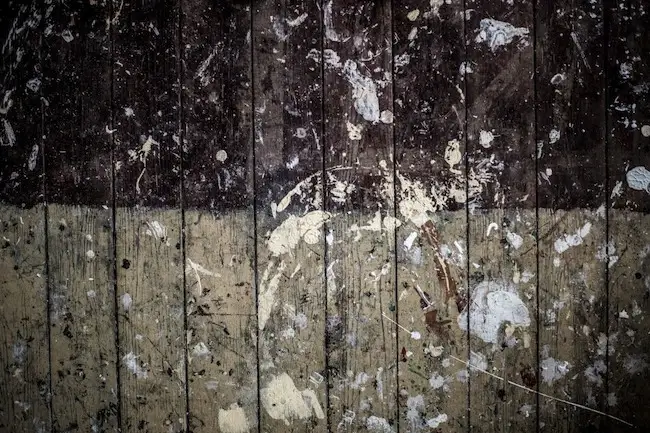
Hardwood floors are a long-term investment, and oil-based paint stains can permanently disrupt the finish if they aren’t treated properly. Unlike water-based paint—which softens easily—oil-based paint cures into a hard, solvent-resistant film. That means you need the right method, right tools, and controlled technique to avoid damaging the wood.
Below, you’ll find two proven, industry-standard methods used by restoration professionals to remove oil-based paint safely.
How can I tell if the paint on my hardwood floor is oil-based?Dab a cloth with rubbing alcohol or acetone and rub the paint. If nothing softens or transfers onto the cloth, the paint is likely oil-based. Water-based paint typically dissolves or smears with alcohol, while cured oil paint remains hard and resistant.
What You’ll Learn
- When to use sanding vs. solvent removal
- Step-by-step instructions for both methods
- Safety considerations (ventilation, PPE, finish testing)
- How to clean and restore sheen after paint removal
- When DIY isn’t recommended
Method 1: Remove Oil-Based Paint by Sanding
(Best for thick, aged, or fully cured paint—especially large areas.)
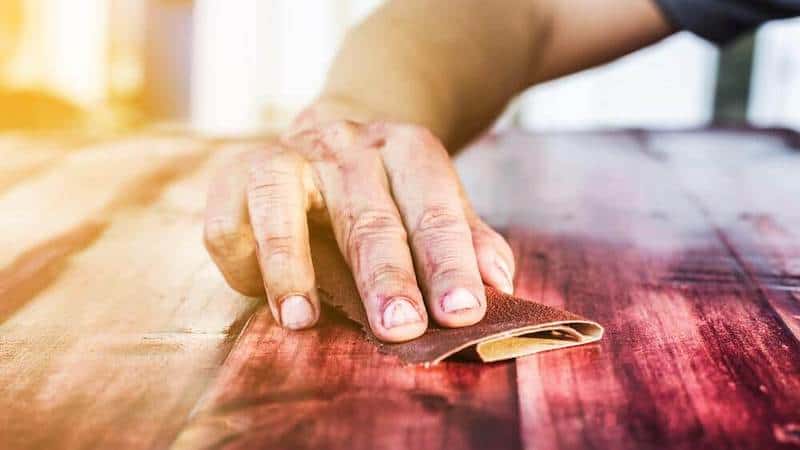
Sanding is highly effective because it removes the paint and any compromised finish. This method is suitable when refinishing is planned or when paint is deeply embedded.
What You Need
- Orbital or palm sander
- 60, 80, and 120-grit sandpaper
- Hand sanding block
- Shop vacuum
- Dust mask, eye protection
Step-by-Step
1. Prep the Area
Remove furniture, vacuum loose debris, and ensure good ventilation. If your floors have a polyurethane coating, be aware that sanding will remove the finish as well.If sanding exposes bare sections or reveals deeper wear than expected, you may want to compare your results with signs outlined in this guide on when hardwood floors may be beyond repair .
2. Begin With 60-Grit
This coarse grit breaks through hardened oil paint and any surface finish. Vacuum between grit changes to prevent scratches from leftover dust.3. Move to 80-Grit
This levels the area and removes remaining paint without gouging the wood.4. Finish With 120-Grit
This refines the surface and prepares the floor for re-coating. Higher grits (150–180) may be used if you want a very smooth finish before applying a new sealant.5. Hand-Sand Crevices
Use a sanding block to reach edges, corners, and wood-grain depressions where orbital sanders cannot reach.6. Final Wipe
Wipe the area with a barely damp microfiber cloth to remove fine dust. Allow it to dry fully before applying any floor finish. For deeper cleaning after sanding, refer to this guide on how to sanitize hardwood floors properly.Method 2: Remove Oil-Based Paint Using Paint Thinner
(Best for small spots, drips, or when preserving the existing finish.)
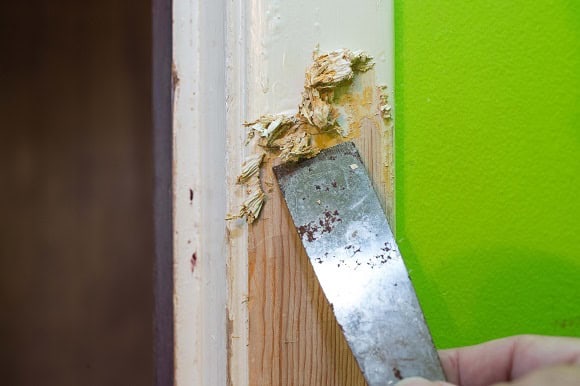
This method softens and dissolves oil-based paint without removing the surrounding finish, when done properly.
What You Need
- Mineral spirits or a hardwood-safe paint thinner
- Cotton rags or microfiber cloths
- Nitrile gloves
- Respirator or mask
- Scraper (optional, plastic only)
Step-by-Step
1. Always Patch-Test First
Apply a small amount of solvent to an inconspicuous area. If the finish becomes dull or tacky, do not proceed, use the sanding method instead.2. Saturate the Rag
Wet your rag with paint thinner. Do not pour thinner directly onto the wood; this increases the risk of finish damage and absorption into seams.3. Rub the Paint Spot
Apply steady pressure in circular motions. For stubborn flecks, hold the solvent-soaked rag over the paint for 30–60 seconds to soften it.Optional: Gently lift softened paint with a plastic scraper. Avoid metal tools—they leave dents.
If you encounter wax buildup mixing with the solvent (making removal more difficult), see this guide on removing wax from wood floors.
4. Neutralize & Clean
Wipe the area with a rag dampened with warm water or a mild wood-safe cleaner to remove solvent residue.After-Care: Restore the Floor’s Finish
Even careful removal can leave a dull patch or uneven sheen.
Recommended follow-up:
- Clean the entire area with a pH-neutral hardwood floor cleaner
- Apply a compatible restorative polish or rejuvenator
- Re-coat with polyurethane if sanding exposed bare wood
If the paint was extensive or the floor is historic, consider contacting a certified wood floor technician for refinishing.
Troubleshooting Guide
Issue |
Likely Cause |
Fix |
|---|---|---|
Finish turns cloudy |
Solvent too strong for coating |
Switch to gentler mineral spirits; hand-buff and apply polish |
Wood looks lighter after sanding |
Finish removed |
Apply matching stain or clear coat |
Paint won’t soften |
Oil paint fully cured (years) |
Use sanding instead of solvent |
Sticky surface after solvent |
Residue not neutralized |
Clean with diluted dish soap and water, then dry |
When You Should Not DIY
Call a professional if:
- The paint covers more than 20–30% of the room
- The floor is antique or historically valuable
- The finish is shellac or varnish (very solvent-sensitive)
- There is evidence of water or solvent absorption between boards
A restorer can prevent long-term issues like cupping, discoloration, and finish delamination.
Final Thoughts
Both sanding and paint thinner are reliable, tested methods for removing oil-based paint from hardwood floors. Choose sanding for heavy, old, or widespread paint, and choose a solvent for small drips where preserving the finish matters. Always prep carefully, test products first, and restore the finish afterward to keep your hardwood floors looking their best for years.