If your hardwood floors need a good cleaning, you may be wondering how to sanitize them. Sanitizing your floors and keeping a regular cleaning routine is essential in preventing the spread of bacteria and keeping your home healthy.
When disinfecting hardwood floors, it is essential to use a cleaning product that won’t damage the finish. The good news is that it is possible to disinfect wood floors without causing any damage, but you will need to use the proper methods and products.
Find out all about the best way to clean wood floors in our comprehensive disinfecting guide.
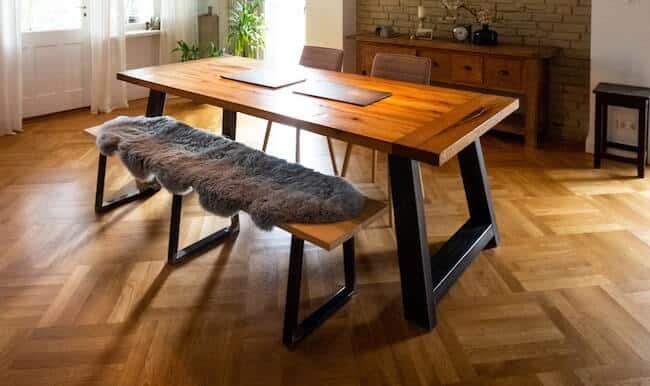
What’s the safest way to sanitize hardwood floors without damaging the finish?The safest method is using a hardwood-safe disinfectant or a mild vinegar-and-water solution. Always apply with a damp (not wet) microfiber mop and dry the floor immediately to prevent moisture damage.
The best way to sanitize your wood floors is by using a disinfectant. Use a non-toxic and environmentally-friendly sanitizing solution.
In other words, a dish detergent with too much water won’t do as a floor cleaner since it can damage the wood surface. You see, harsh chemicals found in a cleaning solution could damage the wood floor.
One more tip is to make sure to read the manufacturer’s instructions on the disinfectant to see if it is safe to use on wood floors. Otherwise, you can use a mixture of vinegar and water to disinfect hardwood floors.
Key Takeaways
Hardwood floors collect more than visible dirt.
Sweat, dust, and bacteria settle into the grain, so regular sanitizing protects both the wood and your home’s air quality.
Only certain natural cleaners truly disinfect.
Diluted vinegar and tea tree oil can reduce everyday bacteria, while baking soda is best reserved for cleaning, not sanitizing.
Moisture control protects the wood.
Use a damp mop, never a wet one, and dry the floor immediately to prevent swelling, warping, or finish damage.
Steam cleaning works only on approved floors.
Steam can sanitize quickly but should be used only on sealed hardwood that the manufacturer confirms is steam-safe.
Good technique preserves the finish.
Light application, proper dilution, and microfiber tools keep hardwood in top condition. Many of these same methods also help you deep clean laminate floors, while tougher stains may require our guide on removing oil-based paint from hardwood floors.
Here’s a tip on sanitizing your wood floors:
- Sweep or vacuum your wood floor regularly to remove dust, pet hair, or loose debris.
- Use a damp mop to clean your wood floor, using hot water and a mild detergent.
- Rinse your wood floor well with clean water and allow it to dry completely.
- Apply a coat of floor sealant to protect your wood floor from dirt, dust, and other debris.
- Let the hardwood floor dry completely before walking on them.
- Repeat the process every few weeks to have clean wood floors that everyone will notice when they visit.
How Do You Disinfect Hardwood Floors Without Damaging Them?
Hardwood floors are a popular choice for homes and businesses, but they require special care to keep them looking their best. One common challenge is how to protect hardwood floors while disinfecting them without causing damage without damaging them.
Here are a few tips for disinfecting hardwood floors without damaging them:
- Use a diluted vinegar solution to disinfect the floor.
- Use a microfiber cloth to clean the floor.
- Avoid using harsh chemicals or products containing ammonia.
- Be careful not to get the floor too wet.
- Dry the floor thoroughly when you are done cleaning them.
There are a few ways to disinfect hardwood floors without damaging them. You can use a steam cleaner, which will kill bacteria and viruses without any chemicals, or a scrubbing hardwood floor cleaner that uses sanitize formula as a cleaning agent.
You can also use vinegar to clean your floors. Mix one part vinegar to two parts warm water, pour it on a clean cloth, wipe the floor, and let it dry. This method works well for both hardwood and vinyl floors.
How Do You Disinfect Hardwood Floors Naturally?
Natural methods are often the safest choice for sanitizing hardwood floors, especially if you’re prioritizing your family’s health. Here are three effective options you can start using right away.
1. Apple cider vinegar method
Apple cider vinegar is a reliable natural option for sanitizing hardwood floors. It has mild antimicrobial properties that help reduce bacteria without damaging sealed wood surfaces.
Mix one part apple cider vinegar with one part water in a bucket, then apply the solution with a damp mop in small sections. This method offers gentle sanitizing power and is safe for most hardwood finishes when properly diluted.
2. Baking soda method
Baking soda is excellent for cleaning and deodorizing hardwood floors, especially when tackling odors or surface grime. However, it’s important to note that baking soda is not a true disinfectant, it cleans well but does not kill bacteria or viruses.
Mix one cup of baking soda with one gallon of water, apply using a spray bottle, let it sit for 15 minutes, and then dry the area with a cloth or dry mop. Use baking soda as part of your natural cleaning routine, but pair it with another method if sanitizing is required.
3. Tea tree oil method
Tea tree oil is one of the most effective natural sanitizers thanks to its antimicrobial and antifungal properties. When diluted properly, it can help reduce bacteria on hardwood floors without harming the finish.
- Mix 2 tablespoons of tea tree oil with 1 cup of water.
- Mist the floors by using a spray bottle.
- Touch the surface to see if it is dry before walking.
Additional Ways to Disinfect Wood Floors
Steam cleaners are one of the quickest and most effective methods for sanitizing wood floors. They help eliminate bacteria tracked in from shoes and can remove grime and dirt from corners and high-traffic areas. Always check that your hardwood floors are sealed and that the manufacturer approves steam cleaning before using this method.
Why Sanitizing Goes Beyond Simple Cleaning
Sanitizing hardwood floors isn’t just about maintaining a clean surface, it’s about managing how your home actually lives. Hardwood absorbs the rhythm of your daily routines: sweat from home workouts, fine dust pulled in by airflow patterns, pet dander that settles into grain texture, and bacteria tracked in along the natural traffic lines of your household. When you sanitize these floors regularly, you’re not only improving hygiene but also interrupting the microscopic “story” your home writes onto the wood, preserving both its appearance and its long-term durability.
Although there are many ways to sanitize hardwood floors, natural options such as vinegar and tea tree oil are often the safest and most family-friendly. These methods are gentle on wood finishes and can also be used to deep clean laminate floors, or any floors for that matter, when needed.
We hope this sanitizing wood floor guide has helped you learn how to keep your hardwood floors clean without compromising their quality or your health. And if you ever face tougher challenges, such as removing stubborn stains, don’t forget we also have a guide on removing oil-based paint from hardwood floors to assist you further.