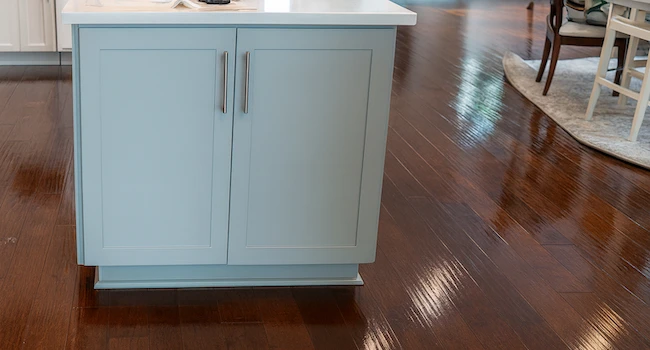
Wood floors are durable and beautiful, but over time wax buildup can make them look dull, streaky, or uneven. Whether the wax has yellowed, absorbed dirt, or simply become too thick, removing old floor wax is essential for restoring clarity and preparing the surface for refinishing.
How do I know if my hardwood floor has wax buildup? Wax buildup usually appears as a dull, cloudy, or streaky film that doesn’t go away with regular cleaning. If a cloth rubbed with mineral spirits turns yellow or brown, that’s a clear sign wax is present.
In this article, I show you the safest, most effective methods for removing floor wax from hardwood floors, the tools you’ll need, how to avoid damaging the wood, and what to do afterward to protect it long-term.
What This Guide Covers
- Floor Wax Removal Kit
- Step-by-step Wax Removal Instructions
- Aftercare + Refinishing Guidance
- Tips to avoid wood damage
Removing Floor Wax Kit
Before beginning, gather these items:
Dustpan or vacuum

Mineral spirits
Microfiber soft cloths
Mop & bucket
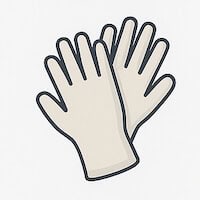
Gloves
Fine steel wool
Knee cushion or pads
Before You Begin – Clear Loose Dirt and Dust
Before applying any solvent, vacuum or sweep the floor thoroughly. Grit or sand left on the surface can scratch the wood when you begin rubbing with mineral spirits or steel wool. A quick pass with a vacuum (using a hardwood-safe floor attachment) ensures you’re working on a clean, debris-free surface.
Step 1 – Rub Wood Floor With Mineral Spirits
Pour mineral spirits onto a clean microfiber cloth and rub with the wood grain. Your cloth will turn yellow or brown as the wax dissolves. This is good!
Replace cloth sections frequently and repeat until the cloth stops picking up wax. Since mineral spirits are also the recommended solvent when trying to remove oil-based paint from hardwood floors, they’re highly effective for breaking down stubborn wax buildup as well.
Step 2 – Use Fine Steel Wool for Stubborn Wax
Dampen 0000-grade steel wool with water or mineral spirits.
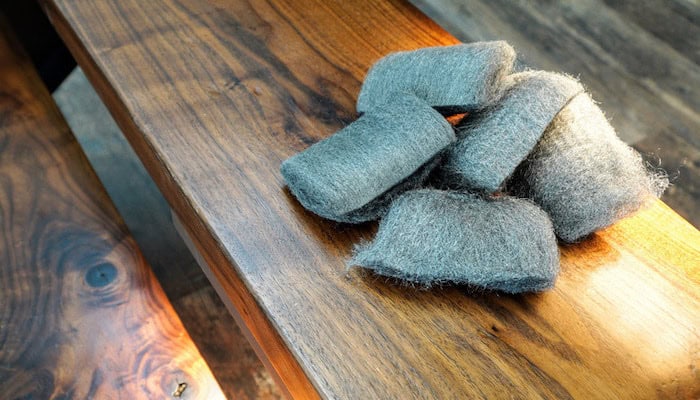
Hold the wool flat against the floor and rub using small, controlled circular motions or short strokes that follow the wood grain. Start with very light pressure, just enough for the wool to make contact with the surface.
Increase pressure slightly only if the wax isn’t loosening.
Step 3 – Repeat Multiple Passes
Most floors require 2–4 rounds of solvent rubbing and steel wool.
Repeat Steps 1 & 2!
You’ll know the wax is gone when:
- No more yellow residue appears
- The wood feels matte, not slick
- No haze returns after drying
Step 4 – Mop to Remove Residue
Use a barely damp microfiber mop to remove leftover wax and solvent. Avoid over-wetting the floor, as even small amounts of standing water can seep into seams and cause long-term damage.
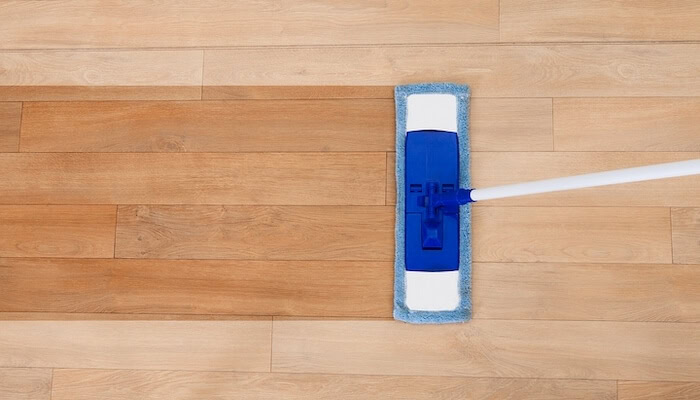
If you prefer to clean the surface more thoroughly after the wax removal process, make sure you follow a method that won’t harm your flooring. This guide on how to sanitize hardwood floors safely is a great option for deeper cleaning without risking moisture damage.
Let it dry fully before applying any protective finish.
Tips to Avoid Wood Damage During Wax Removal
Even gentle wax removal can expose wood to risks. Keep these precautions in mind:
- Never soak the floor. Excess water can seep into seams and cause warping. Always work with a barely damp cloth or mop. If you prefer a controlled-moisture option, consider using one of these specialized hard floor cleaner machines, which are designed to clean hardwood safely without oversaturation.
- Avoid harsh abrasives. Only use 0000 fine steel wool. Anything coarser can scratch the finish or the wood itself.
- Test mineral spirits first. Try it in a hidden spot (behind furniture or in a closet) to ensure it doesn’t affect the existing finish.
- Rub with the wood grain. Going against the grain increases friction and can cause micro-scratches.
- Don’t rush the process. Aggressive rubbing or heavy pressure can result in dull spots or uneven sheen.
- Use hardwood-safe vacuum attachments. Hard bristles or beater bars can leave visible scratches.
- Avoid steel wool on engineered hardwood. It can cut through the thin wear layer and permanently damage the surface.
What to Do After Removing Wax
Once wax is completely removed, consider applying polyurethane:
- Stronger and longer-lasting than wax
- More resistant to moisture and daily wear
- Prevents future wax buildup
Ensure the surface is clean, dry, and residue-free before coating.
Should I rewax the floor after removing the old wax? Generally no! Modern polyurethane finishes offer far better protection and prevent future buildup. Waxing is considered outdated for most wood floors.