Cleaning shower tiles is a chore most people want to make easier, especially when scrubbing takes time and effort. The good news is that you can clean shower tiles without scrubbing by using the right cleaning solutions and letting them break down grime on their own.
In this guide, you’ll learn simple, effective methods that remove soap scum, hard-water stains, and dirt with minimal work.
Before we get into the methods, it helps to understand what’s causing the buildup in the first place.
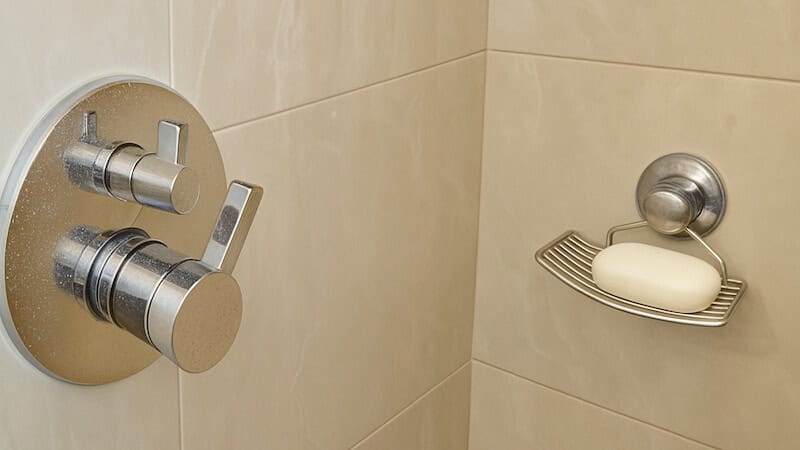
Why do shower tiles get dirty even though they’re constantly exposed to water?Shower water isn’t actually clean! It carries soap residue, body oils, dirt, and minerals from hard water. As the water runs off, these materials stay behind. Over time, they create soap scum, mineral deposits, and grime that cling to both the tiles and grout, making the shower look dirty even with regular use.
Now that we know what causes the buildup, let’s look at the most effective ways to clean shower tiles without scrubbing.
To clean shower tiles without scrubbing, apply a strong cleaning agent, such as steam, baking soda paste, diluted bleach, or an alkaline cleaner and let it sit long enough to break down soap scum and mineral buildup. After the cleaner has had time to work (usually 5–15 minutes, depending on the method), rinse or wipe the tiles clean. The key is giving the solution enough dwell time to loosen grime so you don’t have to scrub.
Steam Clean the Shower Area First
Steam cleaning is one of the most effective ways to clean shower tiles without scrubbing. It’s chemical-free, fast, and works by using high-temperature steam to loosen soap scum, hard-water deposits, and grime.
A good steam cleaner heats water to the point where it can break down buildup on contact. Many models include narrow nozzle attachments that make it easier to target grout directly. If you struggle with stubborn grime in the gaps between tiles, this method pairs well with other ways of cleaning grout that you may already use.
You can buy a domestic steam cleaner for around $40 or rent one from most hardware stores. To use it effectively, work in small sections and move the nozzle in a slow, straight-line motion. As the steam lifts dirt from the tiles and grout, wipe or mop the surface immediately to prevent loosened residue from drying back onto the tiles.
Steam is also an excellent alternative to vinegar when cleaning mineral deposits on shower heads, making it a versatile tool for bathroom maintenance.
Baking Soda and Bleach
Baking soda is an effective, low-abrasive cleaner for shower tiles and grout. To make a cleaning paste, mix 5 tablespoons of baking soda to 1 tablespoon of water, then spread it over the tiles and grout. For extra lifting power, spray the area with a mild vinegar solution (1 part vinegar to 3 parts water) before applying the paste. When the mixture bubbles (usually for about 5 minutes), it starts to loosen the soap scum and mineral residue. Once the bubbling stops, rinse with warm water to remove the paste.
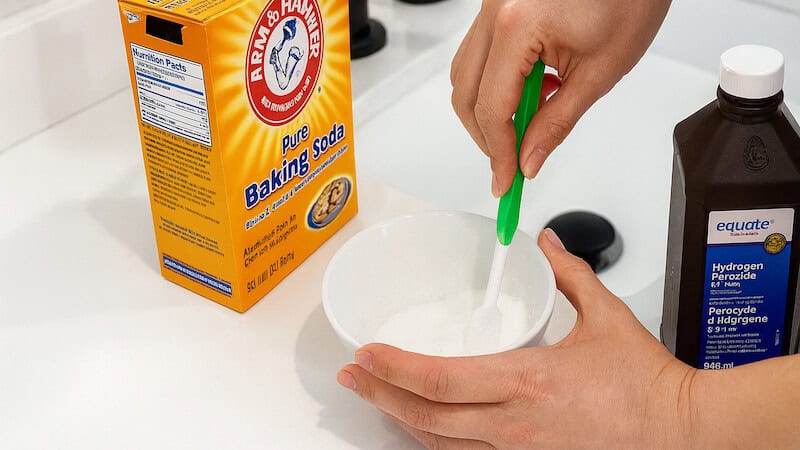
Bleach is better for heavy staining or mildew. Oxygen bleach (powdered) can be mixed with water for general tile brightening, while chlorine bleach works on tougher grime. Always dilute bleach according to the label and keep the bathroom well-ventilated when using chlorine-based products.
Clorox and Hot Water
Clorox is a strong cleaning option best reserved for old, deeply embedded stains. It should always be diluted before use. Mix 1 part Clorox with 4 parts hot water (a 20% bleach solution) to create an effective cleaner for tile and grout. Apply the mixture carefully, let it sit for 5 –10 minutes, and then rinse thoroughly with warm water. Ensure good ventilation and avoid mixing bleach with other cleaners, especially vinegar or ammonia.
Alkaline Cleaners
Alkaline cleaners are a strong option for breaking down heavy grime and buildup on tiles and grout, especially if you don’t want to mix your own solutions. These products often contain agents like trisodium phosphate (TSP) or sodium hydroxide, which effectively help prevent mold growth and dissolve soap scum.
Follow the instructions on the label carefully! Alkaline cleaners vary in concentration, and some require dilution (commonly 1–2 tablespoons of product per litre of water, depending on brand). Wear protective gloves and ensure the bathroom is well-ventilated while applying the solution, as these chemicals can be harsh if handled improperly.
Magic Eraser
A Magic Eraser is a helpful option for small, isolated stains that don’t require chemical cleaners. Made from melamine foam, it works as a very fine micro-abrasive that lifts marks, soap residue, and light buildup with minimal effort. Simply wet the eraser, squeeze out the excess water, and gently rub the stained area. Rinse afterward with warm water.
Magic Erasers are inexpensive (often around $10 USD for a multi-pack) and best used for spot cleaning rather than full tile surfaces.
How NOT to Clean Shower Tiles
Certain cleaning methods can damage tile surfaces or create safety risks. Avoid the following:
- Harsh abrasives Products like oven cleaners, scouring powders, or abrasive pads can scratch tile glaze or wear down protective finishes.
- Strong acids Avoid muriatic acid or other highly acidic cleaners, as they can etch ceramic, porcelain, and especially natural stone tiles. They may also weaken grout.
- Mixing chemicals Never mix bleach with vinegar, ammonia, or other cleaners. This can create dangerous fumes.
- Prolonged soaking Letting excess water sit on tiles or grout can contribute to hard-water marks, mildew, and premature grout deterioration.
- Vacuuming on hard tile surfaces Standard vacuums (especially rotating-brush models) can chip tile edges or wear grout lines. Use a soft broom or brush instead.
The Solution You Need Is In a Spray Bottle
What makes no-scrub cleaning work isn’t force, it’s chemistry and dwell time.
Whether you rely on steam, alkaline solutions, or simple pantry staples, the real advantage comes from letting the cleaner break down the buildup before you wipe it away. Once you understand what causes the residue in the first place, soap scum, hard-water minerals, and porous grout, you can choose a method that targets the problem instead of fighting it with elbow grease.
Keep a spray bottle of your preferred cleaner ready, give it a few minutes to work, and your shower tiles stay brighter with a fraction of the effort.
“The key to effectively cleaning shower tiles without scrubbing is knowing the right cleaning solutions to use, and the optimal time to let them act. What I’ve found in my years as a professional cleaner is that a good quality, pH-neutral detergent, when left for the correct amount of time, can do much of the work for you.” – Darby Langdon, Professional Cleaning Expert
| 💡 Pro tip: A quick wipe-down of your tiles and fixtures after each shower removes the moisture and residue that soap scum and mineral deposits need to form. This simple habit dramatically slows grime buildup, meaning your shower stays cleaner for longer, and your deep-cleaning sessions become far less frequent. |